
Definition and Fundamentals of Optical Measurement Technology
Optical metrology plays a crucial role in numerous industries. It uses light to determine the mass and other relevant properties of objects. This article explains exactly what optical metrology is, how it works, and where it is used.
What is optical metrology?
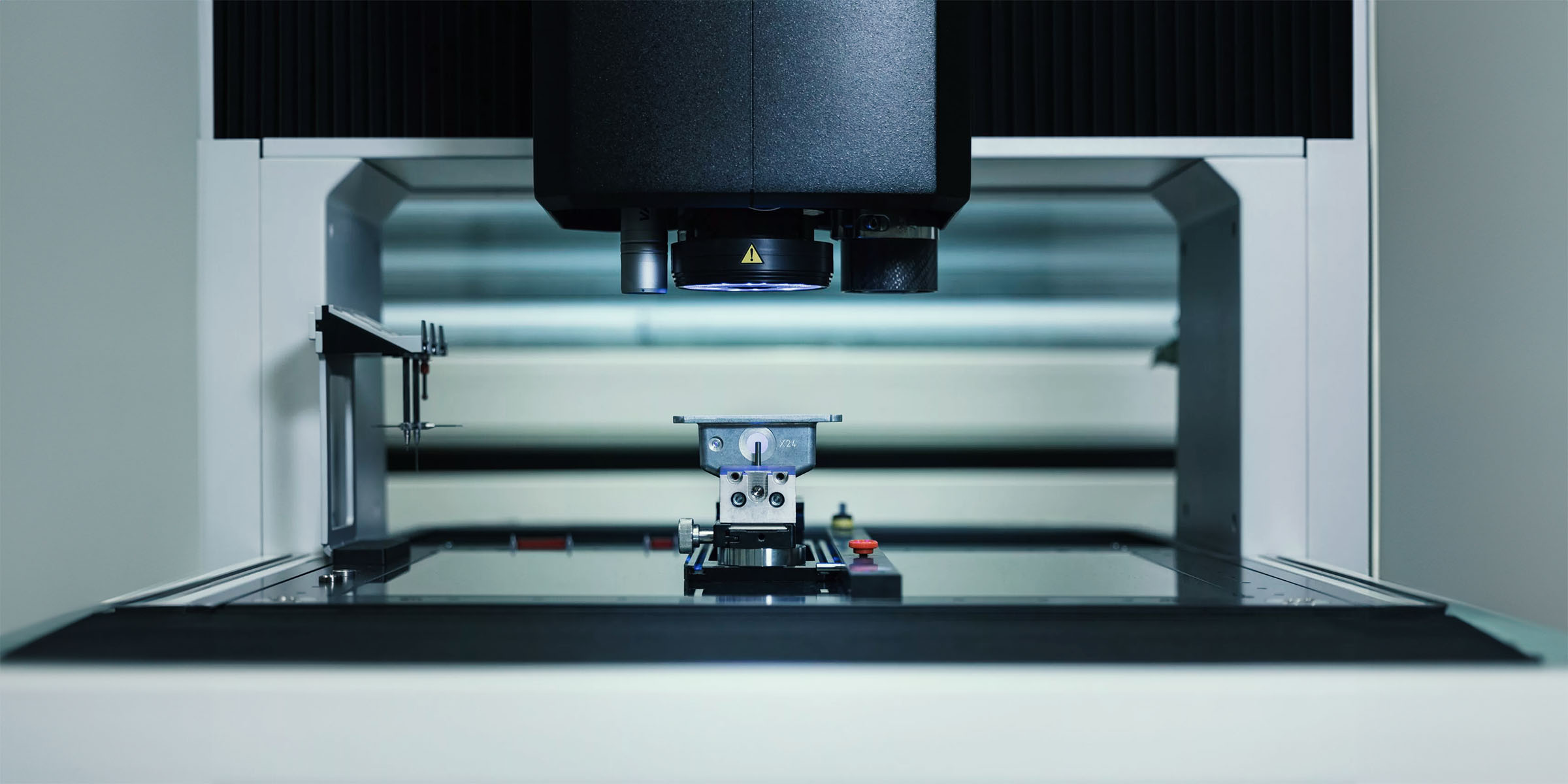
Optical metrology refers to the use of light waves (visible light, ultraviolet, etc.) to measure various parameters of objects. This technology enables precise measurements without direct contact with the object being measured, making it ideal for sensitive surfaces. Devices used in optical metrology include, among others, 3D scanners, laser scanners, image processing systems, and photogrammetry devices.
How Optical Measurement Technology Works
Optical measurement systems typically use one or more light sources that emit light onto the object being measured. The light waves reflected by the object are then detected by sensors. The data from these light reflections is subsequently analyzed to determine mass, surface structures, and other relevant properties. Using advanced software, this information can be converted into detailed 3D models or dimensional measurements.
Applications of Optical Measurement Technology
Optical measurement technology is used in many industries, including:
- Quality Assurance: Verification of dimensions and tolerances during production.
- Reverse Engineering: Creating CAD models based on existing parts.
- Robotics: Navigation and manipulation based on optical data.
- Biomedical Science: Measuring body parts and creating prosthetics.
Advantages and Limitations
The main advantages of optical measurement technology lie in its non-contact nature and high precision. It makes it possible to quickly and efficiently measure the dimensions of delicate objects without physically touching or damaging them. This is particularly invaluable in industries such as semiconductor manufacturing or when examining historical artifacts. Furthermore, this technology offers exceptional flexibility, as it can be applied to a wide variety of materials and surface shapes.
Despite its many advantages, optical measurement technology also has some limitations. In environments with strong light interference or on extremely reflective surfaces, measurements can be compromised. In addition, the purchase and maintenance costs for high-precision optical measurement systems are often significant.
Summary and Outlook
Optical metrology is constantly evolving and becoming increasingly powerful thanks to advances in optics and digital image processing. Future innovations could enable even more precise measurements and open up new fields of application.
Conclusion
Optical metrology is a fascinating field that stands out for its precision and adaptability. At Hanimann 3D Messlabor, we use state-of-the-art technologies to tackle complex measurement tasks efficiently and precisely. For anyone interested in delving deeper into the capabilities and technical details of our optical measurement methods, we offer additional valuable information. Learn more on our website about Optical metrology at Hanimann 3D Messlabor.
We’d be happy to advise you!
We would be happy to provide you with personalized advice, with no obligation.
Please contact us.